Media Release : From Kerbside to Kiwi Products: What Really Happens to Your Plastics Recycling
From Kerbside to Kiwi Products: What Really Happens to Your Plastics Recycling Waste-Ed with Kate teases video series on what really happens to your plastic recycling. Supported by Plastics NZ
New Zealanders often wonder whether the plastic they place in their recycling bin actually gets recycled.
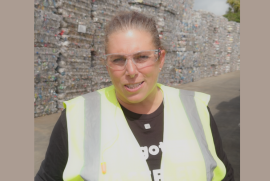
A new video series from independent waste educator Kate Fenwick of Waste-Ed with Kate aims to show exactly what happens to some of the country’s most commonly recycled plastics once they leave the kerbside bin.
The videos follow the onshore recycling journey of our #1, #2 and #5 plastics (PET, HDPE and PP) from household recycling bins through sorting facilities, into specialized reprocessing plants, and finally into new products manufactured and used in New Zealand.
Fenwick says many people want to do the right thing with recycling but rarely get to see what happens beyond their bin, which for some, understandably, is where the skepticism begins.
“People put items in the recycling bin and hope for the best, but most never get to see the process for themselves. These videos are about making that journey visible and helping Kiwi’s understand how recycling systems actually work.
We’re visiting facilities that sort kerbside recycling, plants that wash and process plastic into new raw materials, and manufacturers using those materials to produce new products.”
In New Zealand, plastics such as PET (commonly used for drink bottles and trays), HDPE (used for milk bottles and cleaning containers), and polypropylene (used for items like yoghurt tubs and takeaway containers) can be collected through kerbside recycling systems and processed into new materials for manufacturing.
Once collected, recyclable materials are sent to Material Recovery Facilities (MRFs) where they are sorted into different material streams. Suitable plastics are then sent to specialized reprocessors where they are washed, shredded and converted into clean plastics pellets or flakes. These recycled materials can then be used by manufacturers to produce new plastic products such as packaging, construction materials, containers and various other goods.
Rachel Barker, CEO of Plastics NZ, says the project aims to help people understand both the value and limits of current recycling systems.
“There’s a lot of public confusion about plastic recycling. These videos show that there are real examples of PET, HDPE and polypropylene (PP) plastics being recycled on shore in New Zealand, while also highlighting that our recycling system is still developing.
Barker says that recent global supply chain disruption has also reinforced why domestic recycling capability matters.
“The more we can recover and reuse materials already in circulation, the less reliant we become on virgin fossil-based supply from offshore.
At present, an estimated 17% of New Zealand’s plastic packaging is recycled*. That shows there is real capability here, but also significant room to grow. If we want a more resilient and circular plastics system in New Zealand, continued investment in resource recovery infrastructure will be important”.
The Waste-Ed with Kate video series aims to give New Zealanders a clearer understanding of what happens after recycling leaves the kerbside bin and the role recycling plays in supporting domestic manufacturing and resource recovery.
END
*https://ppps.org.nz/final-report/
Media Opportunities
Media are invited to see the recycling process first-hand in Auckland. Access can be arranged to:
- The ReGroup Material Recovery Facility (MRF) where kerbside recycling is sorted (Victoria St,Onehunga, Auckland).
- Astron, a plastic reprocessing facility where recycled plastics are washed, shredded and processed into new raw materials (Neales Road, East Tāmaki, Auckland).
- Astron is also a re-manufacturer, producing products made from recycled plastics.
These locations provide strong visual opportunities to show the recycling journey from collection through to new product manufacturing.
Interview Opportunities
- Kate Fenwick, Waste-Ed with Kate
- Rachel Barker, CEO, Plastics NZ
- Lyn Mayes, Packaging Forum (Plastic Packaging Product Stewardship Co-Design Project Leader).
Primary Media Contact: Secondary Media Contact
Brody Gilroy Sarah Brown
Brand Manager, Waste-Ed with Kate Plastics NZ Communications Committee Chair
Email: This email address is being protected from spambots. You need JavaScript enabled to view it. Email: This email address is being protected from spambots. You need JavaScript enabled to view it.
Phone: 027 902 7200 Phone: 021 194 939
(please text rather than leaving a voice message)
__________________________________________________________________________________________________________________________________________________________
Additional Information
Waste-Ed with Kate is an educational initiative led by waste educator Kate Fenwick, focused on helping New Zealanders better understand waste reduction, recycling and resource recovery. Through workshops, presentations and digital content, Fenwick works with communities, councils and organisations across New Zealand to improve recycling behaviour and challenge common misconceptions about waste.
Plastics NZ is the trade organisation representing the New Zealand plastics industry. Our membership comprises over 200 businesses including manufacturers, raw material suppliers, recyclers (reprocessors), brand-owners, and consultants to the industry. Plastics NZ has a strong focus on environmentally responsible management of plastics and actively drives towards circularity for plastics in Aotearoa. This includes running education programmes, assisting companies to plan their journey to circularity, and facilitating national working groups focused on specific waste streams.
The Packaging Forum is a not-for-profit organisation representing businesses across New Zealand’s packaging value chain. It works with industry, government and local councils to improve packaging recovery and recycling systems, and manages several voluntary product stewardship programmes aimed at reducing waste and supporting more circular use of materials. The Plastic Packaging Product Stewardship Co-Design Project was a multi-stakeholder initiative led by the Packaging Forum to develop a national product stewardship scheme for plastic packaging in New Zealand. The project bought together industry, government and sector stakeholders to design a framework for improving plastic packaging recover, recycling and reuse systems, and to support the transition to a more circular plastics economy.